
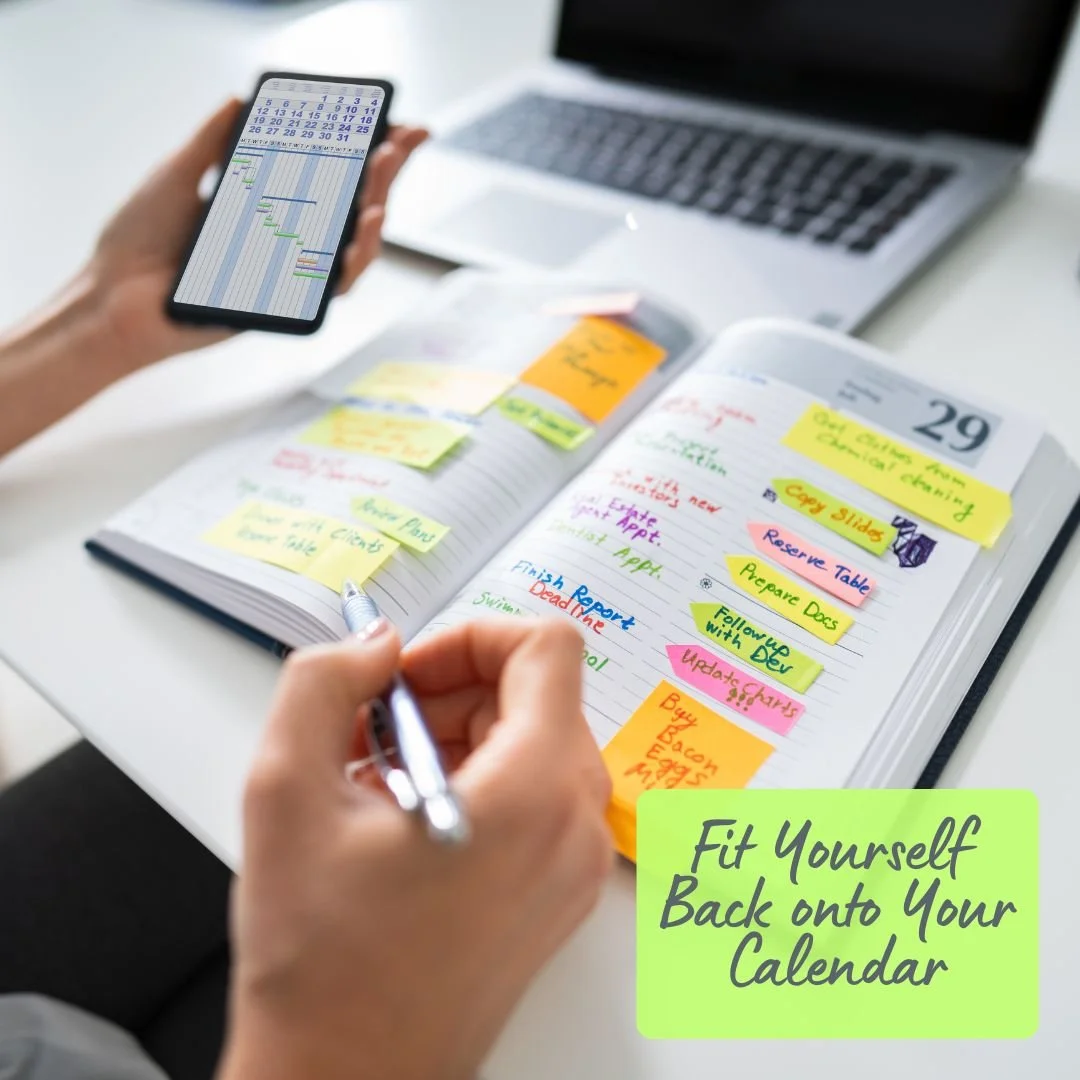
Why You Need to Put Yourself Back on Your Calendar for Healthy Aging
When life gets busy, we're often the first thing removed from our own calendar. Discover why reclaiming time for yourself isn't selfish—it's one of the most important habits for healthy aging.
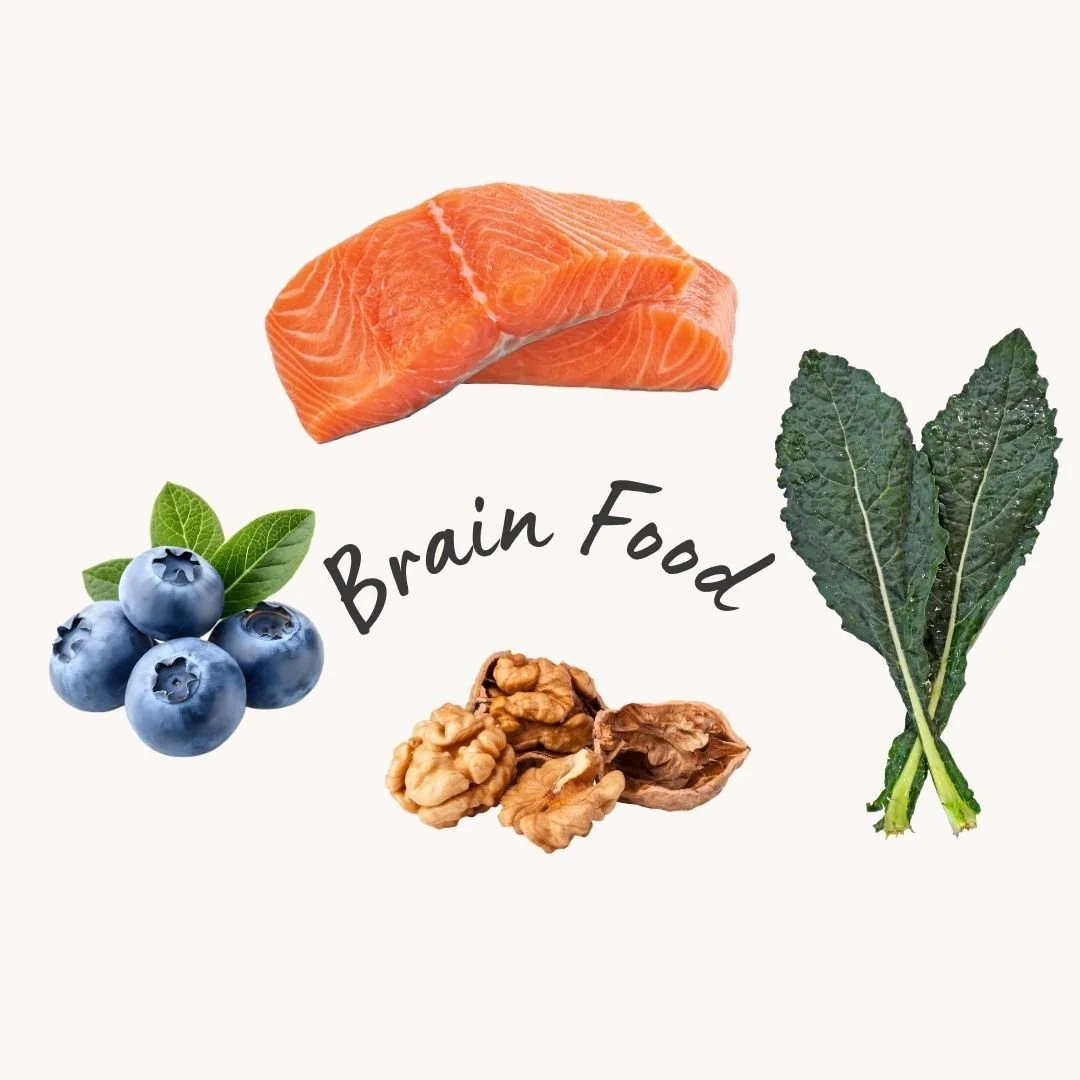
11 Brain-Healthy Foods That Support Memory, Focus, and Healthy Aging
Your brain needs the right fuel to thrive. Discover 11 foods backed by research that support memory, focus, cognitive health, and healthy aging—plus simple ways to include them in your everyday meals.

Why Lasting Healthy Habits Require Adaptability - Not Just Persistence
Building healthy habits isn't about having more discipline. It's about learning when to stay persistent—and when to change your approach. Here's why adaptability is one of the most important healthy aging skills.
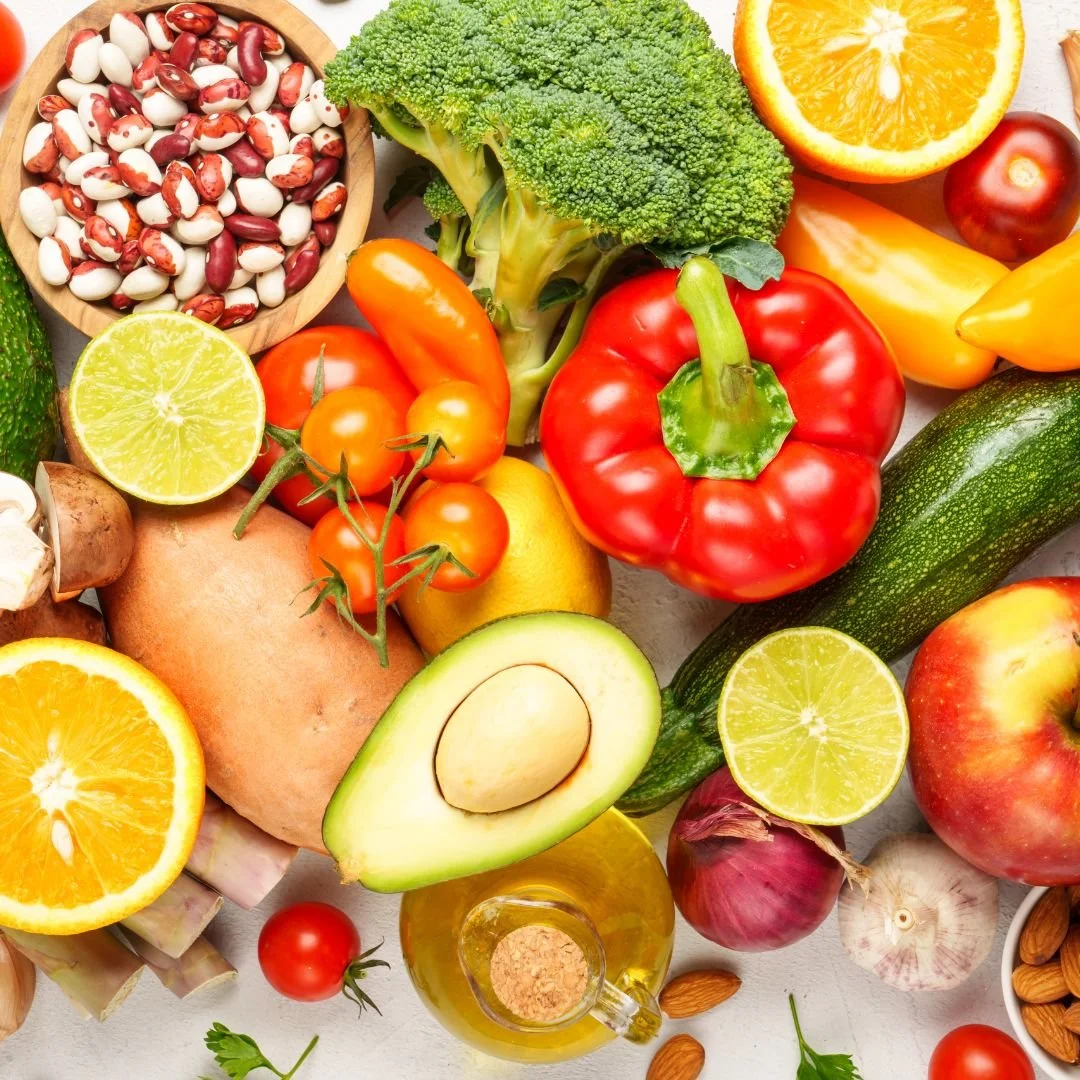
Foods That Talk To Your Genes
We often think about food as calories, protein, or fat. But what if every meal is actually sending biological signals that influence your heart, brain, gut, and future health? Discover how thinking of food as information can change the way you eat—and the future you're building.
What Does It Really Mean to Be Healthy?
Most of us measure health by today's numbers. But healthy aging isn't defined by today's lab results—it's built by keeping your eyes on where you're headed, not just what's on the dashboard.
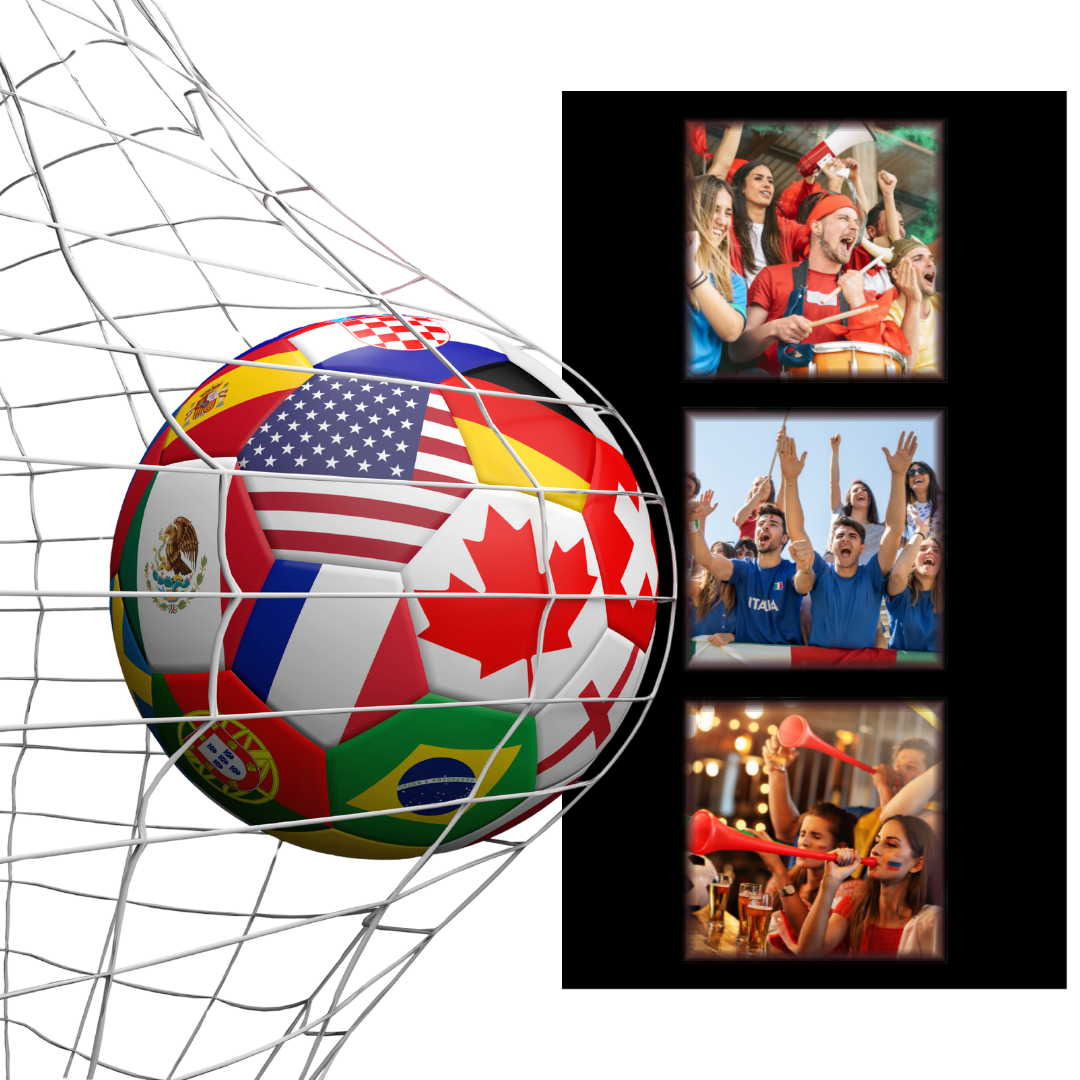
Why the Best World Cup Stories Aren’t About Soccer
What do tortilla chips, cheering crowds, and a thank-you note have to do with healthy aging? More than you might think. The best World Cup stories remind us that one of the strongest predictors of long-term health isn't found in a gym or on a plate—it's human connection.
The 1-2-3 Fiber Strategy: An Easy Way to Eat More Fiber Every Day
Most people know they should eat more fiber—but few know how to do it consistently. Discover a simple 1-2-3 Fiber Strategy that supports gut health, cholesterol, blood sugar, and healthy aging without tracking grams or following complicated nutrition rules.
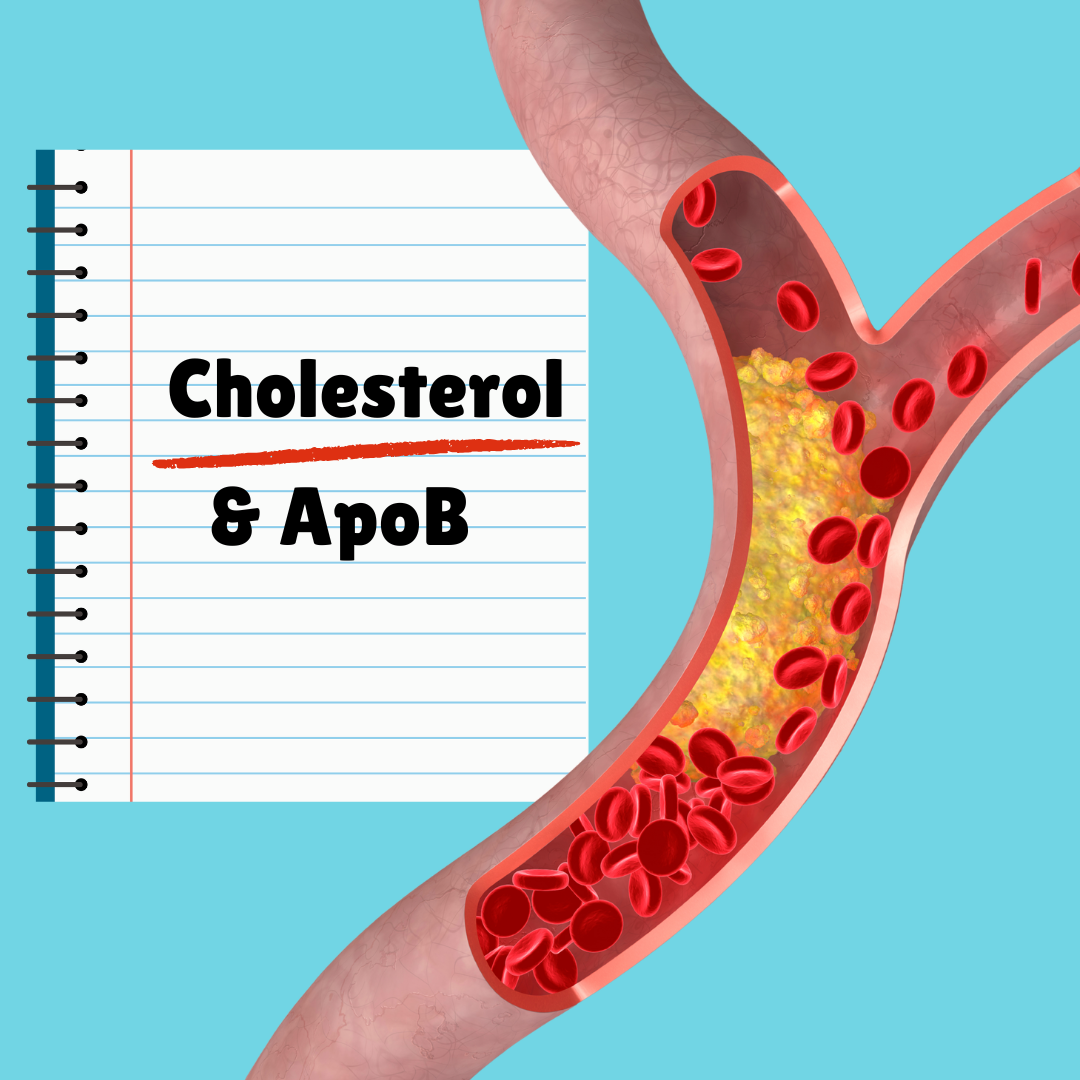
What is ApoB? The Cholesterol Number That May Matter Most
ApoB is one of the most important cholesterol markers you've probably never heard of. Learn what it measures, why it matters for heart health, and five science-backed lifestyle strategies that can help lower ApoB naturally.
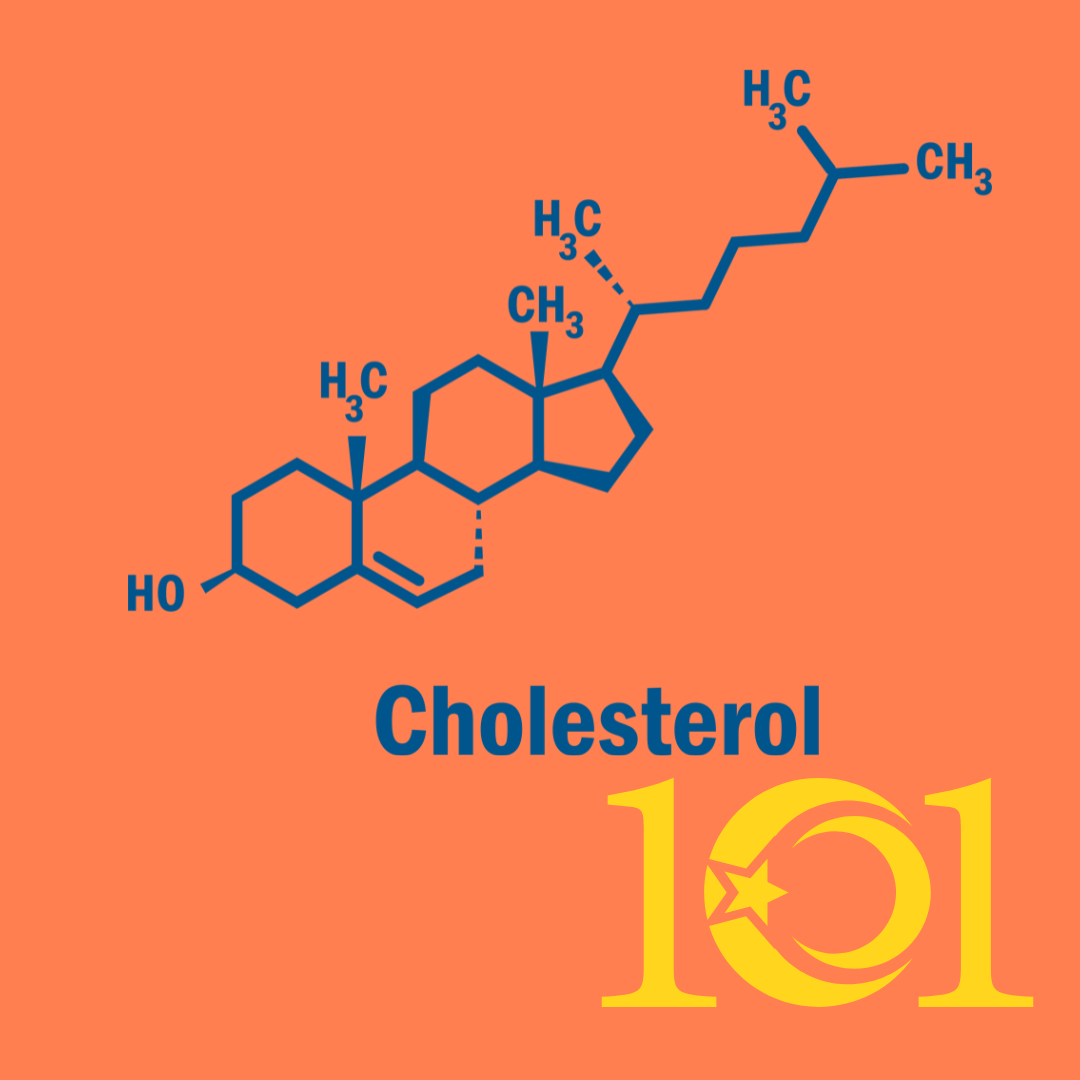
What Your Cholesterol Numbers Are Really Telling You
Cholesterol is more than a single number. Learn what LDL, HDL, triglycerides, particle number, and ApoB actually mean—and how understanding your labs can help you make smarter decisions for long-term heart health.

In Beauty May We Walk
Health isn’t just about discipline, checklists, or doing more. Sometimes it looks like a walk in the woods, a nervous system finally exhaling, and billions of tiny villagers inside you responding to beauty, movement, nourishment, and rest.
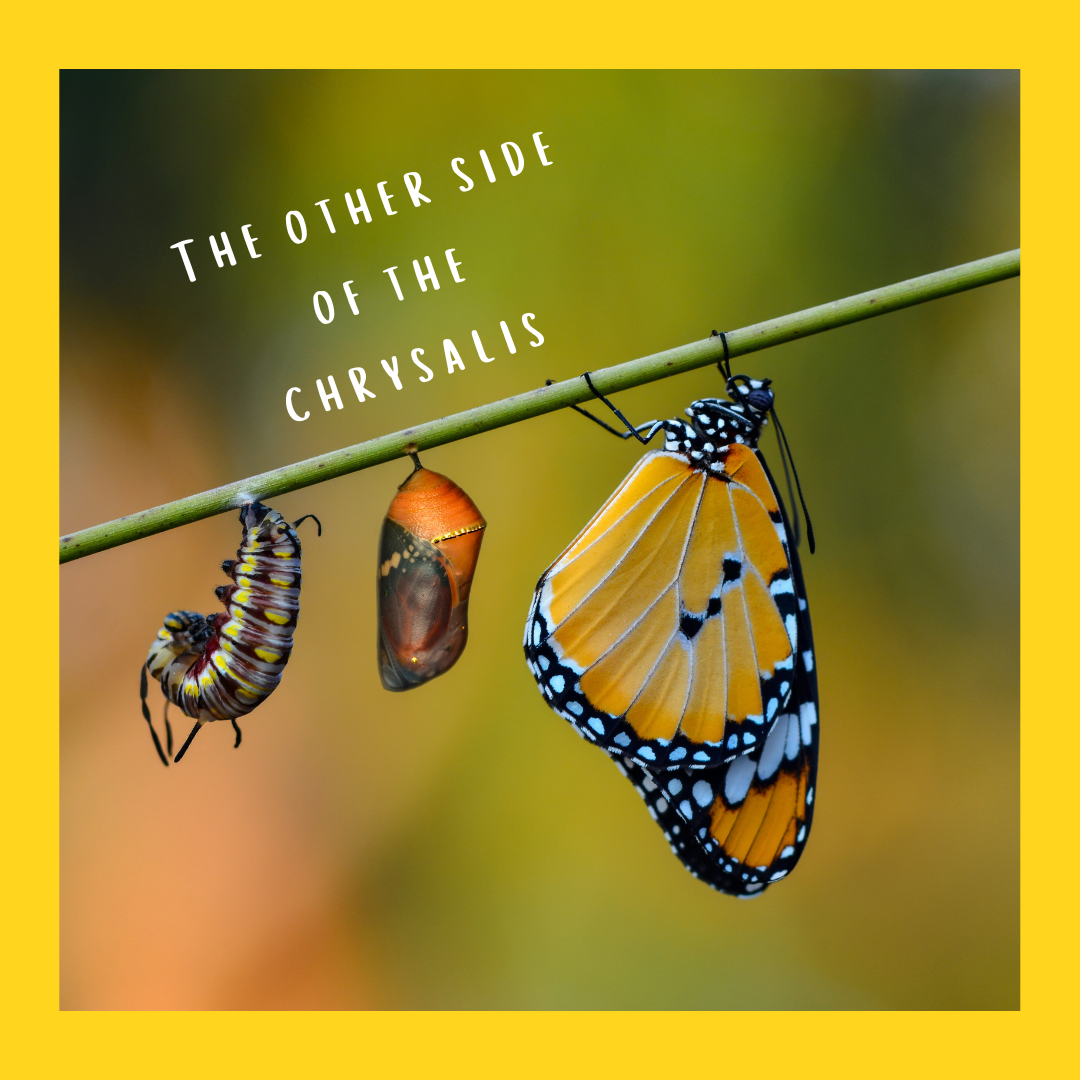
The Other Side of the Chrysalis
What if menopause isn’t simply an ending—but a recalibration? This phase can bring real challenges, but it may also create space for something quieter and more powerful to emerge.
Same Words … Different Energy
There’s something I’ve been thinking …
It started with a post I shared on Instagram — a simple idea about how the same words can land completely differently depending on the energy behind them.
And it's a clip taken right from a Mary Tyler Moore show - a show that many of us grew up with (making it extra fun to watch … )
What Will Your Years Actually Feel Like?
Most people think longevity is about living longer.
But the real question is:
What do those extra years actually feel like?
Because longevity, at its core, is two things:
Lifespan — how many years we live
Healthspan — how many of those years we feel well, capable, and fully able to live our lives
And if you ask me, healthspan is where it really matters. (And in many cases when you focus on improving health span, lifespan tends to follow).
In my mindset sessions with clients, I often ask a simple question:
What does health actually mean to you?
Most people pause.
Some say energy. Some say feeling good. Some say freedom.
The dictionary defines health as the absence of disease.
But I like to think about it differently:
Health is the ability to live your life — and your dreams — fully.
The Simplest Nutrition Advice I Know
Last week I wrote about the bridge between knowing and doing— how awareness and education are essential, but they are only the beginning of the wellness journey.
Once we begin to understand what supports the body — what stabilizes blood sugar, nourishes the gut, supports the brain, and preserves muscle — the next question naturally becomes:
What does that actually look like in everyday life?
One of the phrases I often use with clients — and you’ve probably heard me say many times — is simple:
Eat real food.
In fact, if someone asked me to describe the foundational way of eating I believe supports long-term health, that would probably be the phrase I would start with.
Strip away the diet books.
Strip away the conflicting nutrition headlines.
Strip away the complicated food rules.
And just come back to this simple idea:
Eat real food.
But the moment we say that phrase, another question quickly follows:
What actually counts as “real food”?
One helpful starting point is this:
Food that still resembles where it came from.
The Bridge Between Knowing and Doing
We are living in a moment of unprecedented access to health information.
Every day there are podcasts, books, research summaries, Instagram posts, reels, newsletters, documentaries, and conversations about what we should be eating, how we should be moving, how to sleep better, manage stress, and age well.
And of course there are people like me — sharing ideas, research, and experiences in the hope that something might help someone feel better — physically, mentally, and emotionally.
But the reality is that this landscape now includes a huge range of voices.
Doctors.
Nutritionists.
Exercise physiologists.
Fitness trainers.
Health coaches.
Biohackers.
Wellness influencers.
And everyday people who have discovered something that worked for them and feel passionate about sharing it.
Many of these voices are thoughtful and well-intentioned. Some are deeply trained in the science. Others are speaking primarily from personal experience.
Which leads to a very real question:
With all of this information coming at us — how do we know what to trust, what actually matters, and what is worth acting on?
Protein as a Keystone Habit
At the start of a new year, I like to zoom out and think about key anchor habits — the habits that quietly hold everything else together, no matter how busy or unpredictable life gets.
For me, one of those critical anchors is prioritizing protein-centric meals. (Fiber matters too — but I'll save that conversation for another day.)
The conversation around getting enough protein into our diets has been in the forefront for the past couple of years … and since we’re still in the mindset of building for the year ahead, I want to talk about protein in a way that’s simple, practical, and genuinely helpful.
Before we get into the specifics, a bit of context.
Many protein experts — including physicians who focus on muscle, metabolism, and healthy aging — often reference a benchmark of about 1 gram of protein per pound of ideal body weight.
That’s a lot.
And for many people, it can feel overwhelming right out of the gate.
So instead of trying to overhaul everything at once, let’s break this down into something more manageable.
If increasing your protein intake is something you’ve been thinking about, but haven’t quite figured out how to approach, start here:
Aim for ~30 grams of protein in your first meal.
One small habit.
One steady anchor.
And a change that tends to ripple out in all the right ways.
Of course, protein needs come with nuance — including your size, sex, activity level, and overall goals. A highly active person or someone with more lean mass may need more; others may do just fine with less.
Think of 30 grams not as a rule, but as a useful starting point— a simple anchor you can adjust over time.
You Probably Haven’t Done This in Years …
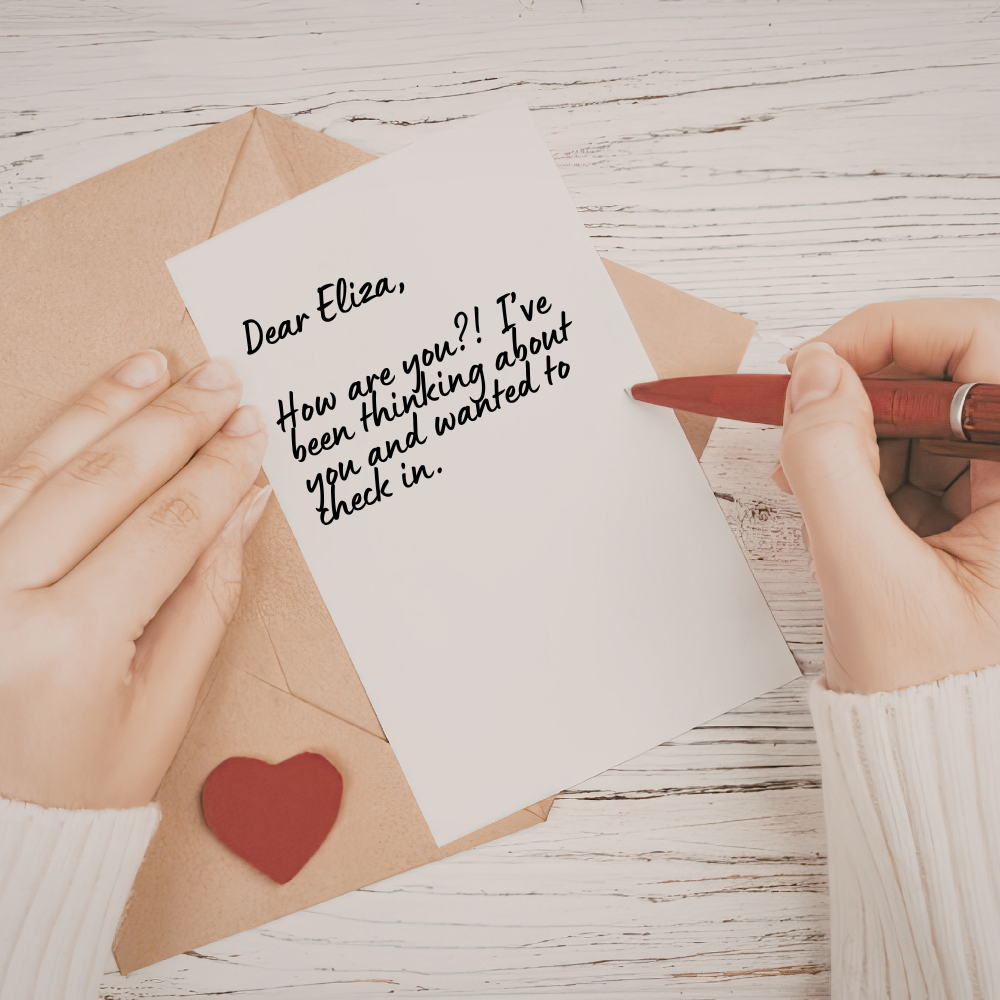
When was the last time you wrote a letter?
Not a quick text.
Not an email dashed off between meetings or errands.
A real letter — written slowly, with intention, meant for just one person.
I was thinking about this after reading the novel - The Correspondent,by Virginia Evans, just published last year.
It’s quietly taken off… and what makes it so compelling isn’t a dramatic plot or big reveal.
The entire book is told through letters — the correspondence of the main character, a woman in her 70's navigating her life, grief, regrets, successes, and of course, connection.
At first blush, it doesn’t feel extraordinary.
But on second glance, it captures something deeper — everyday life, and the threads of connection that shape it.

Good People - the Quiet Majority
We live in a time when it can feel like everything is broken.
Scroll social media for a few minutes and you might think the country is hopelessly divided.
Turn on the news and it can seem like anger is everywhere.
It's depressing.
It's worrying.
It just seems so far away from how things used to feel.
But I read a piece this week that made a simple point that really made me think.
Most Americans are simply living their lives.
Working.
Raising kids.
Helping neighbors.
Coaching Little League.
Going to church or synagogue.
Dropping off meals when someone is sick.
Volunteering in their towns.
They just don’t post about it.
And the data backs it up.
If You Could Do One Thing for Your Health …
So here’s a pivotal question …
If you could only do one thing for your health, what would it be?
Is nutrition more important than exercise?
What should come first?
It’s such a practical question, and it begs for a simple answer.
Unfortunately, there isn’t one magic habit.
Partly because we’re all different — genetically, hormonally, metabolically.
And partly because we’ve all lived different lives.
Some of us have built strong movement habits over decades.
Others have spent years in high stress or poor sleep.
Some people have dialed-in nutrition, but little strength.
Others are active, but running on caffeine and convenience foods.
We each arrive at midlife with a different history, a different body, and a different set of strengths and gaps.
And I can almost hear the collective sigh:
“I just wanted you to tell me the one thing.”
I know.
But we have to remember that in real life:
Nothing works in isolation.
Habits stack.
Capacity is built, not hacked.
Health isn’t built from one heroic behavior.
It’s built from a small set of daily practices that support your capacity — your ability to think clearly, move comfortably, handle stress, and stay engaged in your life.
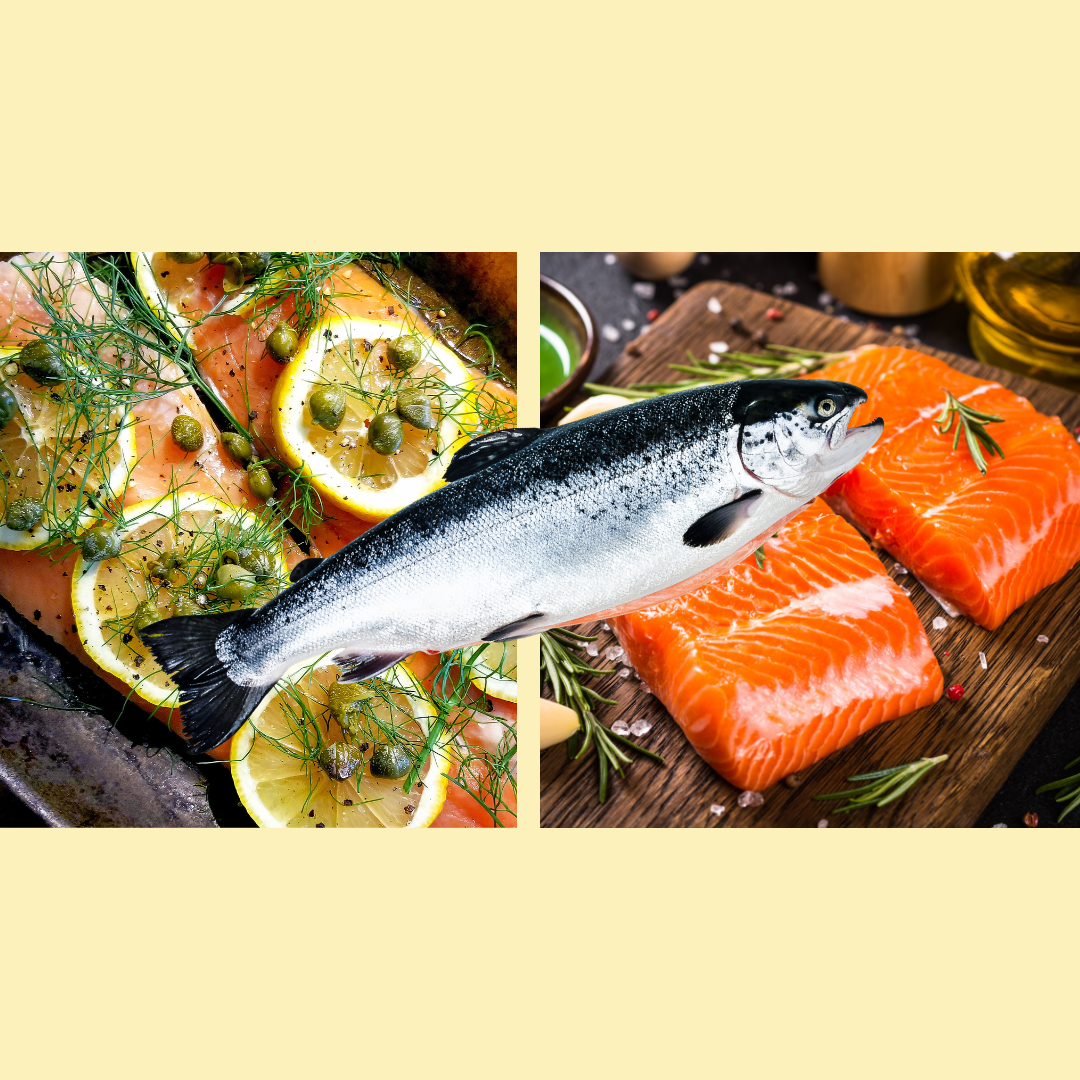
Fish for the Right Fish
Fish is one of those foods that most people know is good for them.
It’s linked to heart health, brain function, reduced inflammation, and healthy aging. Many of the longest-lived populations in the world eat fish regularly.
And yet … every time I bring up seafood in a class or conversation, the same question comes up:
But what about mercury?
What about farmed fish?
What should I actually buy?
What's the difference between wild salmon and farmed salmon?
Fish shouldn’t feel confusing. So let’s simplify this — because omega-3 fats are too important to ignore.