
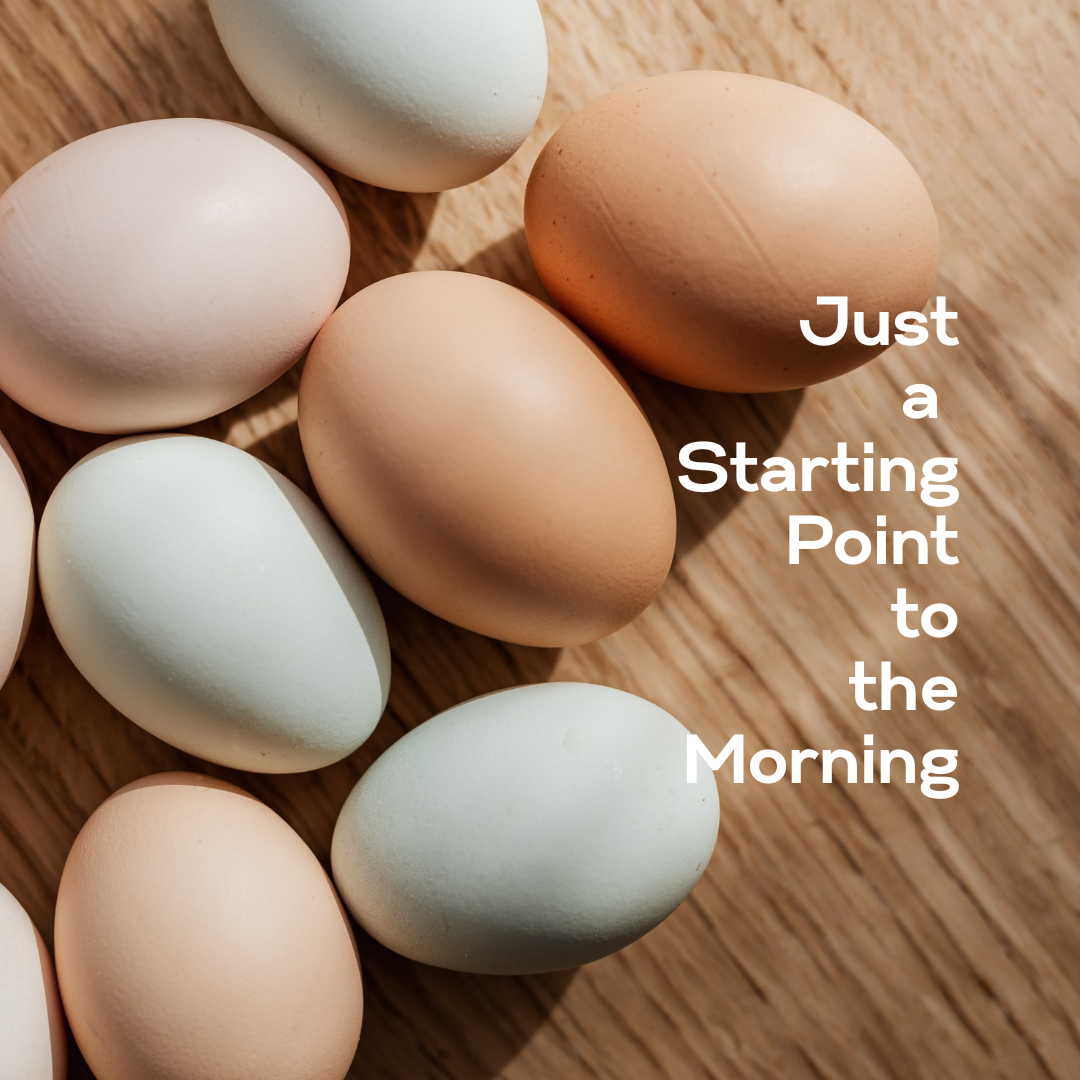
Protein as a Keystone Habit
At the start of a new year, I like to zoom out and think about key anchor habits — the habits that quietly hold everything else together, no matter how busy or unpredictable life gets.
For me, one of those critical anchors is prioritizing protein-centric meals. (Fiber matters too — but I'll save that conversation for another day.)
The conversation around getting enough protein into our diets has been in the forefront for the past couple of years … and since we’re still in the mindset of building for the year ahead, I want to talk about protein in a way that’s simple, practical, and genuinely helpful.
Before we get into the specifics, a bit of context.
Many protein experts — including physicians who focus on muscle, metabolism, and healthy aging — often reference a benchmark of about 1 gram of protein per pound of ideal body weight.
That’s a lot.
And for many people, it can feel overwhelming right out of the gate.
So instead of trying to overhaul everything at once, let’s break this down into something more manageable.
If increasing your protein intake is something you’ve been thinking about, but haven’t quite figured out how to approach, start here:
Aim for ~30 grams of protein in your first meal.
One small habit.
One steady anchor.
And a change that tends to ripple out in all the right ways.
Of course, protein needs come with nuance — including your size, sex, activity level, and overall goals. A highly active person or someone with more lean mass may need more; others may do just fine with less.
Think of 30 grams not as a rule, but as a useful starting point— a simple anchor you can adjust over time.

If You Could Do One Thing for Your Health …
So here’s a pivotal question …
If you could only do one thing for your health, what would it be?
Is nutrition more important than exercise?
What should come first?
It’s such a practical question, and it begs for a simple answer.
Unfortunately, there isn’t one magic habit.
Partly because we’re all different — genetically, hormonally, metabolically.
And partly because we’ve all lived different lives.
Some of us have built strong movement habits over decades.
Others have spent years in high stress or poor sleep.
Some people have dialed-in nutrition, but little strength.
Others are active, but running on caffeine and convenience foods.
We each arrive at midlife with a different history, a different body, and a different set of strengths and gaps.
And I can almost hear the collective sigh:
“I just wanted you to tell me the one thing.”
I know.
But we have to remember that in real life:
Nothing works in isolation.
Habits stack.
Capacity is built, not hacked.
Health isn’t built from one heroic behavior.
It’s built from a small set of daily practices that support your capacity — your ability to think clearly, move comfortably, handle stress, and stay engaged in your life.
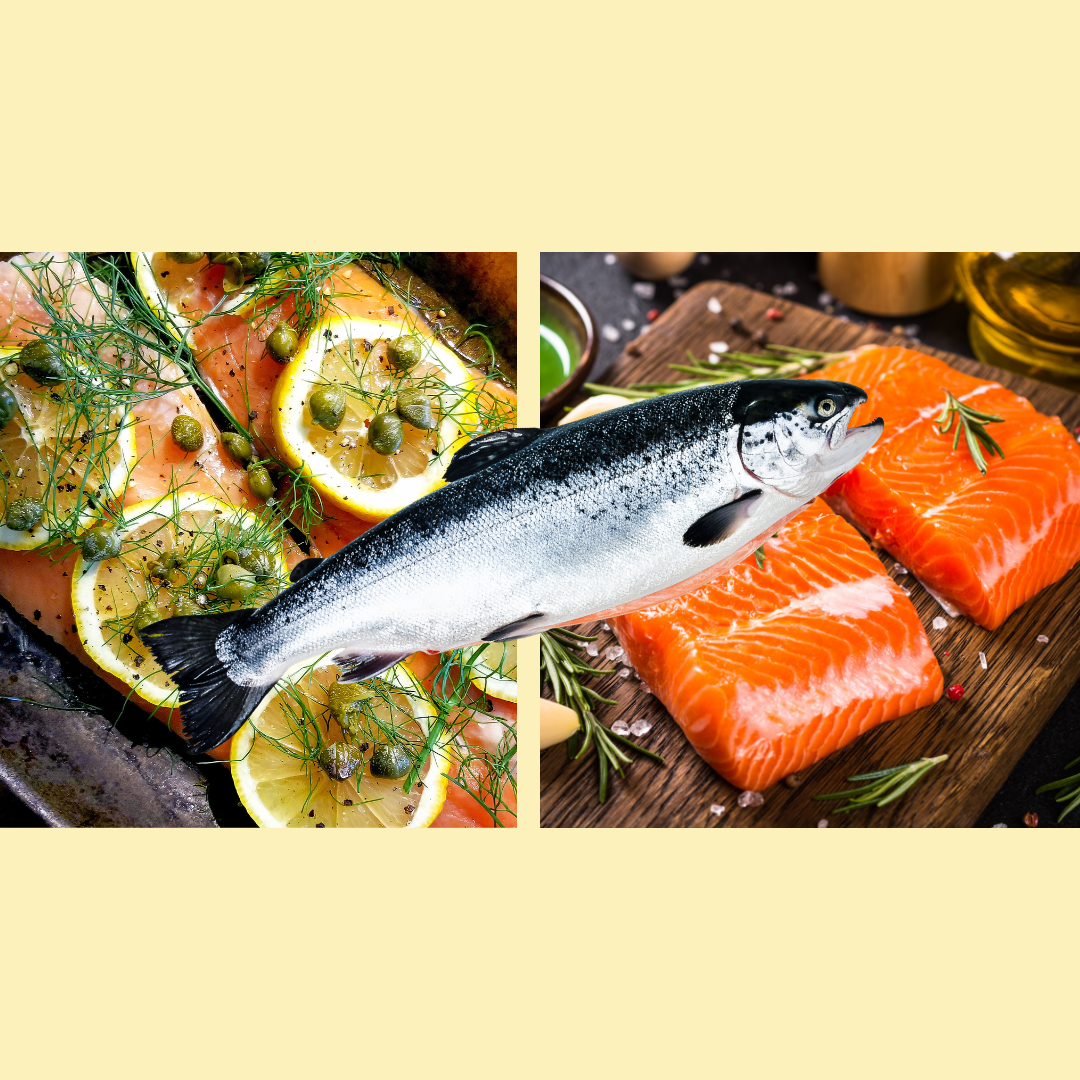
Fish for the Right Fish
Fish is one of those foods that most people know is good for them.
It’s linked to heart health, brain function, reduced inflammation, and healthy aging. Many of the longest-lived populations in the world eat fish regularly.
And yet … every time I bring up seafood in a class or conversation, the same question comes up:
But what about mercury?
What about farmed fish?
What should I actually buy?
What's the difference between wild salmon and farmed salmon?
Fish shouldn’t feel confusing. So let’s simplify this — because omega-3 fats are too important to ignore.
Your A1C is a Bit High. Now What?
Your A1C is one of the most important early signals for long-term health. Here’s what the numbers really mean—and the small, steady habits that can bring it back into a healthier range.
One Anchor Habit for Steady Energy
At the start of a new year, I like to zoom out and think about anchor habits — the habits that quietly hold everything else together, no matter how busy or unpredictable life gets.
One of my most important anchors is building protein-centric meals. Not because it’s trendy or easy, but because it supports steady energy, focus, and strength in a way that compounds over time.
Rather than overthinking daily protein targets, I often encourage people to start with one simple place: aiming for a protein-forward first meal. It’s not a rule — just a steady starting point that tends to ripple out into better energy and fewer crashes later in the day.
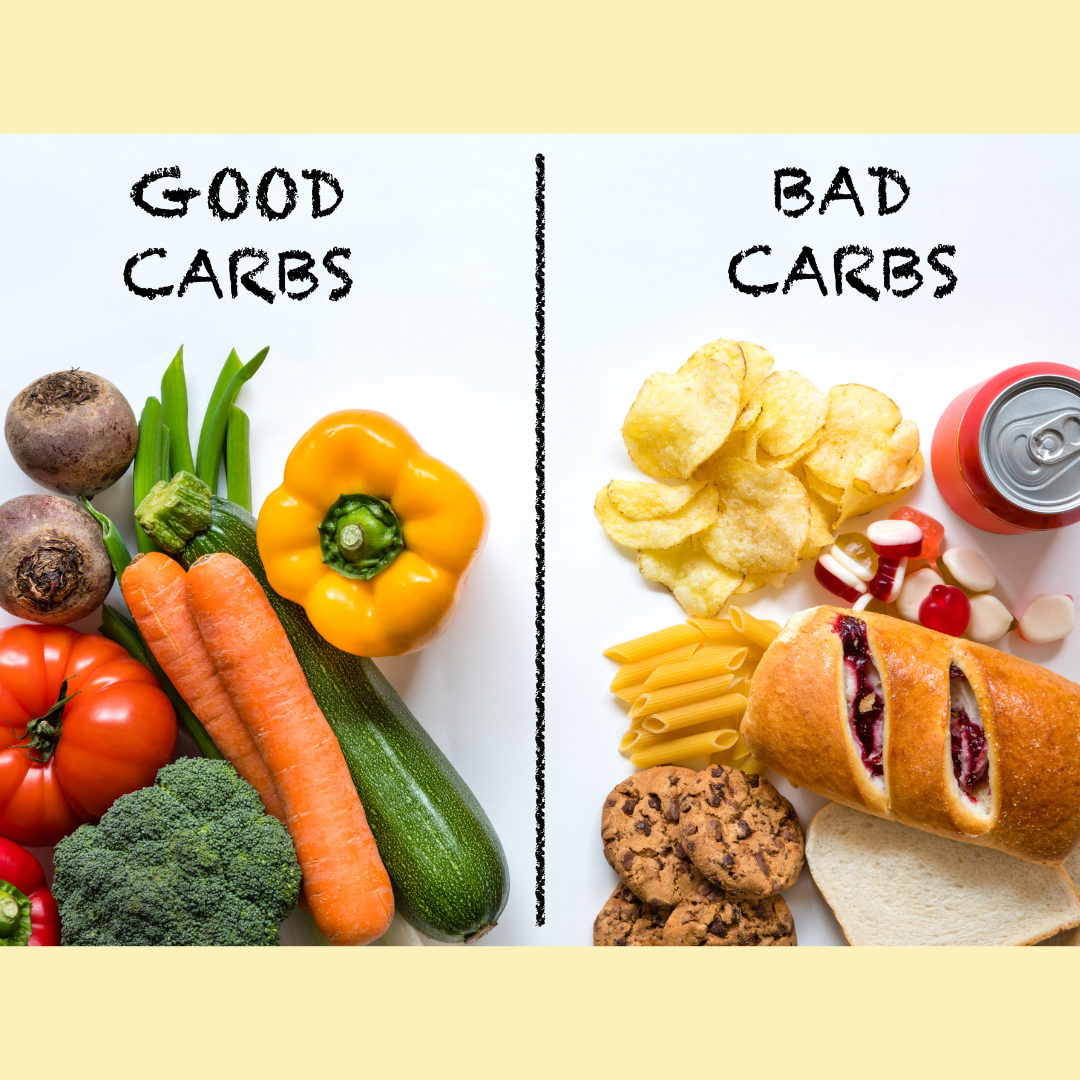
Slow Carbs vs. Fast Carbs: Clearing up the Carb Confusion
Carbs can feel confusing — but they don’t have to be. Here’s a simple, practical breakdown of slow carbs, faster whole carbs, and ultra-processed carbs, and how they impact midlife energy and metabolism.

Are your Labs Normal, Or Optimal?
Has this ever happened to you?
Your doctor’s office calls with the standard line: “Your labs look normal … maybe your cholesterol’s a bit high … but all OK."
And that’s it. No explanation. No context. No mention of important markers like vitamin D or magnesium (which, by the way, insurance often doesn’t even cover - kind of crazy).
But we're busy - so content with the normal labs, and we're off to the next thing.
There's just one problem …
Conventional labs are often black and white: you’re either fine or you’re not.
But the truth is, there’s a world of shades of gray in between—levels where you may not be sick, but you’re definitely not thriving.
👉 This is where functional medicine takes a different approach.

A Wedding, a Reset, and 3 Habits for September
I just returned from two magical weeks in Maine, my favorite place, where we celebrated the most special wedding of all - -
my daughter’s, held at her childhood summer camp.
The days were filled with family, friends, and unforgettable moments.
What surprised me most was how much joy I found in the pre-wedding “DIY” projects … the very things that had worried me the most beforehand.
I’d pictured stress, endless to-dos, and projects going sideways.
Instead, painting signs, labeling rocks, folding napkins with fern fronds (from two ferns that traveled from my porch to Maine and back again!), and making more floral arrangements than I can count turned out to be sooo fun and even grounding.
One of the highlights? My 65-year-old bachelor cousin carefully tucking fern fronds into place settings - it was proof that everyone can get into the spirit when you’re working side by side.
As wonderful as it was to soak up every moment, it’s also nice to be back home, shifting into what fall will look like.
For me, that means resetting after two weeks of late nights, too much ice cream, and maybe more wine than I’d normally have (though I’m convinced all the laughter canceled that out!).

Five Everyday Habits That Quietly Increase Alzheimer’s Risk
As we age, many of us carry a quiet fear:
"What if I lose my memory?
What if I end up like mom, dad or grandma?"
In fact, a 2020 Harris poll cited that 82% of Americans say they’re concerned about Alzheimer’s disease, and more than half worry they’ll personally develop it.
If some form of dementia runs in your family, it can feel like a guarantee.
But here’s the good news: It’s not.
Yes, there’s a genetic link.
But no - it’s not a life sentence.
The truth is: Alzheimer’s is often preventable.

The Science of Aging Well: Why our “Lifestyle” is More Powerful than Our Genes
I've been diving into some truly fascinating science lately, and I can't stop thinking about what it means for our health.
And I'm not really a "sciencey" person.
But I'm hoping that you'll find this as compelling as I do.
The science I will share offers proof positive that all those foundational principles, our daily habits, that I'm always writing about here … are absolutely essential to healthy aging.
And yes, it takes effort — to change, to start, to find the time.
But if you’ve been waiting for that spark — a dose of insight that helps you see things differently, that makes you more aware of what’s possible with small, intentional lifestyle shifts…
…then maybe, just maybe, this is exactly the nudge you’ve been needing to move forward.
What I'm writing about here is the foundation of the Younger You program by Dr. Kara Fitzgerald - and it’s giving me a whole new way to talk about why your daily choices matter so much.
You know eating well, moving regularly, getting quality sleep, managing stress, and minimizing toxins are important. We all know that.
But here’s the question that gets me fired up:
👉 Do you realize just how those habits shape your health, your longevity, and even your gene expression?
This is where things get really interesting.

30 Plants a Week … 30 Grams of Fiber a Day - Here’s Why it Matters
I grew up with a mom who always served at least three different vegetables on our plate—and often added a side salad, too. She emphasized the importance of color, variety, and trying everything at least once.
👏 Hand clap for Mom.
She passed away 15 years ago, during a whirlwind season of my life - four young kids at home, a demanding corporate job, and very little space to process anything beyond the next to-do.
I wish I could thank her now for all the quiet lessons she taught me at the dinner table.
Her wisdom—about food, nourishment, and showing up for family—has stayed with me in ways I couldn’t fully appreciate at the time.

Brain Food!
Have you ever stopped to think about what you’re feeding your brain?
Just like the rest of your body, your brain needs the right fuel to function at its best.
Here are some interesting “brain” facts:

The Medicine on Your Plate
What would you think if you left your doctor’s office with this type of prescription?:
Eat one cup of blueberries per week
Eat 2-3 cups of tomato sauce per week
Eat a handful of walnuts every day
And that’s just for starters. Dr. William Li, a leading cancer scientist and physician, who also serves on the faculty at Harvard Medical School, has taken the notion of “food is medicine” to a whole new level.
His book Eat to Beat Disease looks at the different types of foods that can make a difference in staving off cancer - and to which level those foods need to be consumed in order to have an impact. It is pretty compelling.
While this may sound a bit extreme, when you get right down to it -
Every morsel of food has the ability to prevent disease … or create disease. It has the ability to amp up, or amp down, bad genes.

Power Up with Protein: Your Essential Guide
It seems like everyone is talking about protein right now—and for good reason.
If you’re looking for a simple way to feel energized, curb cravings, and support your metabolism, start with a protein-packed first meal.
Most people under-eat protein early in the day, leading to energy crashes, mindless snacking, and that 'hangry' feeling by mid-afternoon.
But when you give your body a solid serving of high-quality protein in the morning, you set yourself up for steady blood sugar, sustained energy, and naturally eating less throughout the day.
Plus, protein plays a crucial role in muscle health, keeping you strong and supporting metabolism as you age.
Why Prioritizing Protein at Breakfast is a Game-Changer